How Long Does It Take to Get Cited by ChatGPT After Publishing?
There's no fixed timeline, but domain authority, crawl frequency, and structured data all shift it dramatically. Here's what actually drives the wait.
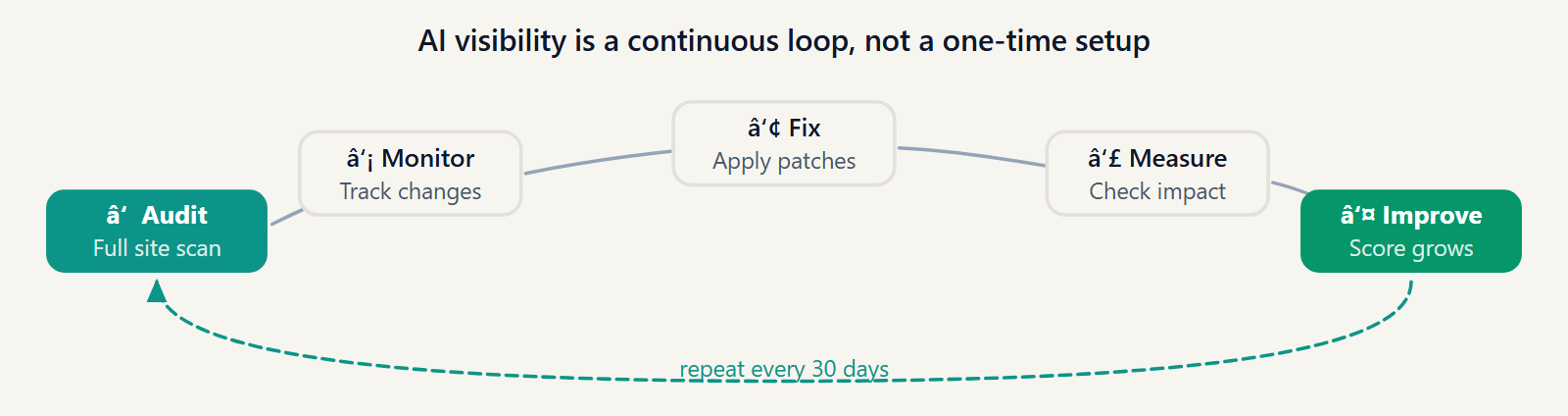
There's no fixed number of days. But four factors consistently explain why one page gets cited within a week and another never does.
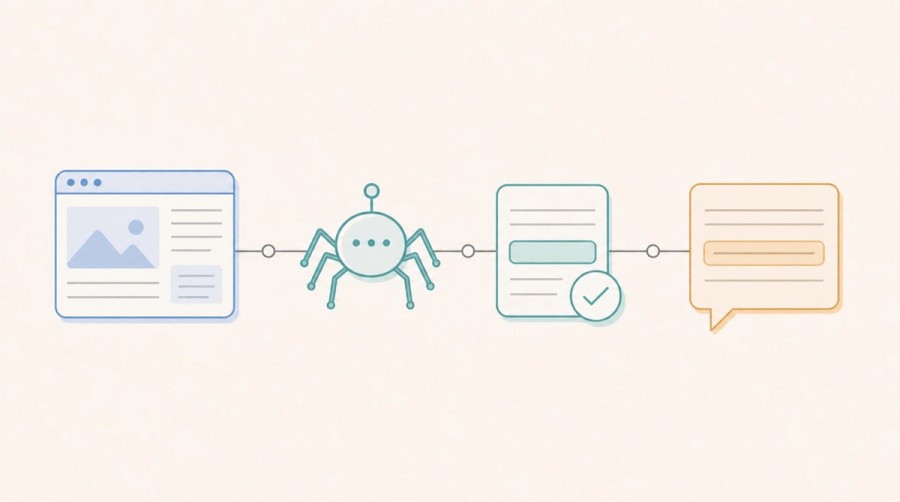
1. Existing domain authority
A new page on an already-trusted, well-indexed domain can surface in AI answers within days. The same page on a brand-new domain with no track record usually waits months while the domain itself builds up authority signals.
2. Crawl frequency
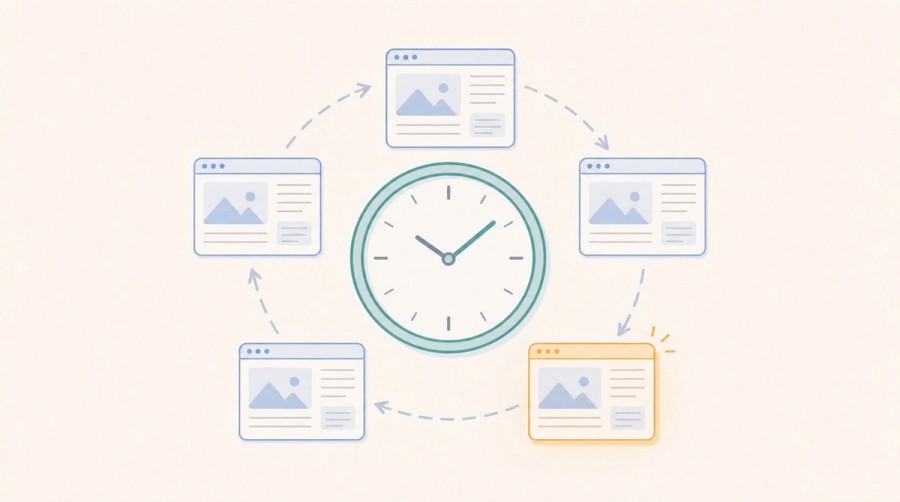
High-traffic, frequently updated sites get re-crawled far more often than static, rarely-changing ones. If your last crawl was months ago, a new page can sit unseen until the next pass.
3. Whether it's indexed by the search layer AI relies on
Some AI systems lean on an underlying search index (Bing, for instance) rather than crawling independently. If that underlying engine hasn't indexed your page yet, the AI answer engine won't have it either — classic SEO indexing speed becomes a bottleneck for GEO.
4. Structured data and clarity
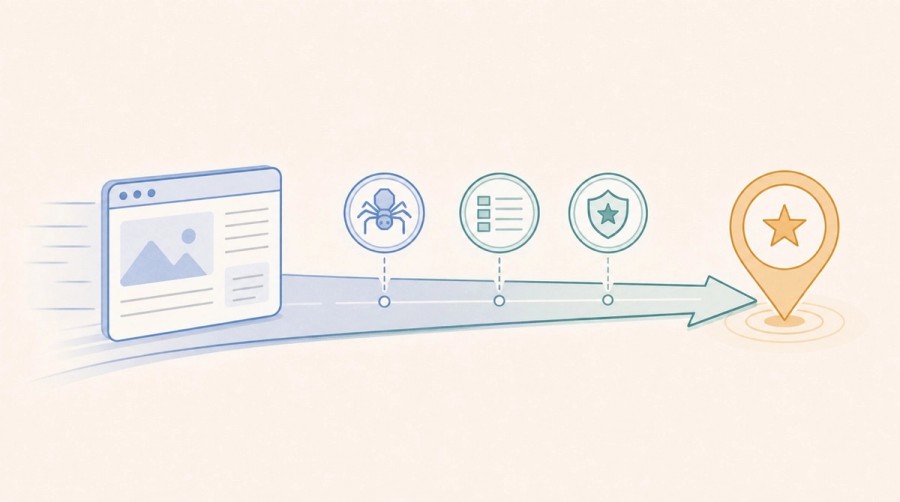
A page with clear headings, a direct answer near the top, and schema markup is easier for a retrieval system to parse and trust quickly, compared to a page burying the same information in dense, unstructured paragraphs.
Check where you stand today
Before worrying about timeline, confirm the basics are actually in place — run the 5-minute test to check if ChatGPT can see your site at all, then work through our full AI visibility checklist.
Further reading
Apply this guide
Check whether ChatGPT can understand and cite your site.
Start with the ChatGPT visibility path when the goal is brand mentions, answer inclusion, and source eligibility in ChatGPT-style answers.
- Best for prompts where ChatGPT should mention the brand or cite the domain.
- Next metric: visibility by prompt cluster, not only organic sessions.
Frequently asked questions
Can a brand-new domain get cited by ChatGPT quickly?
It's uncommon. New domains typically need to first build enough authority and indexing history in traditional search before AI retrieval layers treat them as a reliable source, which usually takes months, not days.
Does publishing more content speed up citation?
Volume alone doesn't. Consistent, crawlable, well-structured content on an already-indexed and technically healthy site tends to get picked up faster than a burst of new pages on a struggling domain.
Get the monthly State of GEO report
AI search readiness benchmarks, adoption stats, and the actions that move the needle — delivered monthly. No spam.
By submitting, you agree to receive the monthly GeoReady newsletter: benchmark data from the State of GEO dataset, practical GEO guidance, and product updates. You can unsubscribe anytime. See our Privacy Policy.