Free Tools to Check Your AI Search Visibility in 2026
A practical roundup of free tools — crawler checkers, llms.txt generators, manual prompt tests — to check AI visibility. Run an audit free.
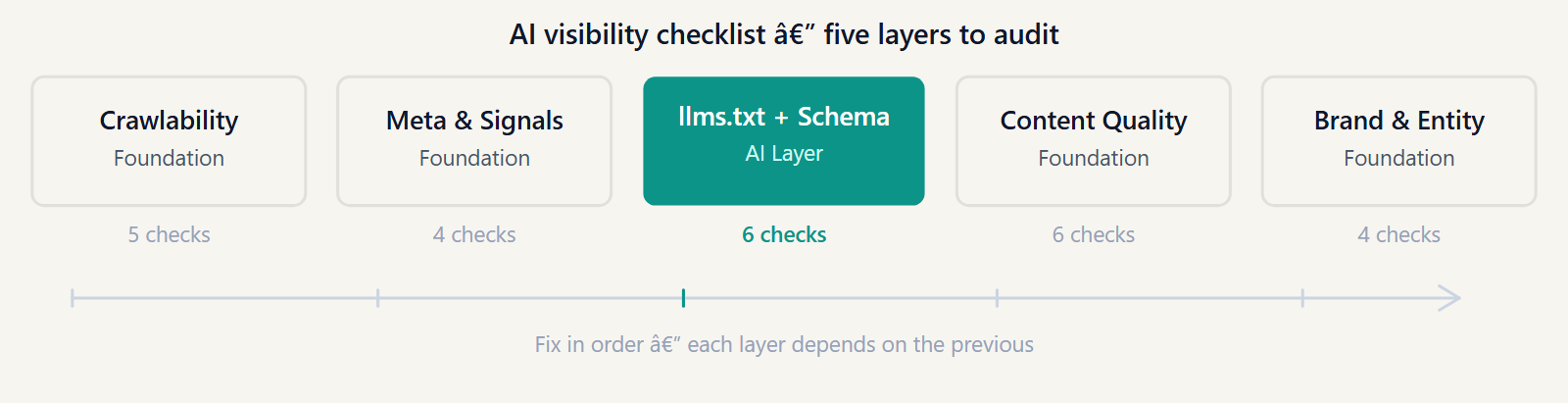
You don't need a budget to find out whether AI engines can see and cite your site. Here's a practical, free stack covering every part of the check.
1. Crawler-access checkers
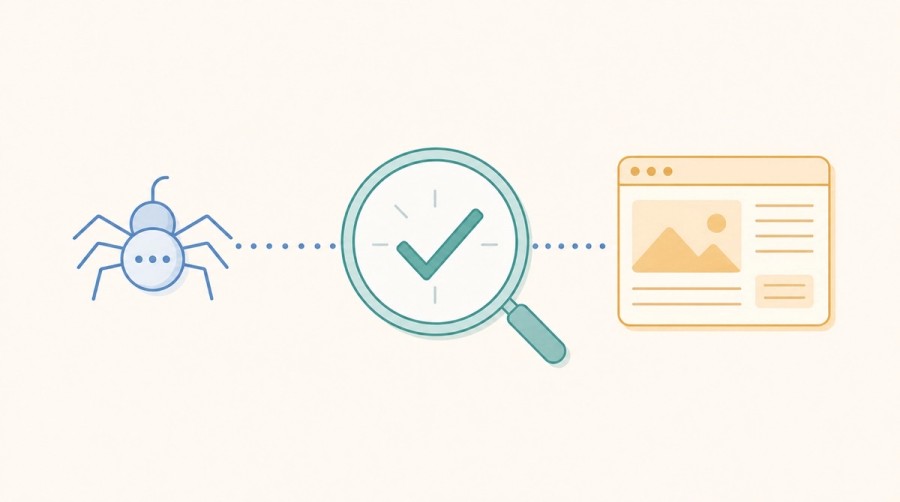
Tools that check whether GPTBot, PerplexityBot, ClaudeBot, and similar crawlers can actually reach your pages. GeoReady's AI Citation Checker runs this automatically and flags exactly what's blocking access, if anything.
2. llms.txt generators
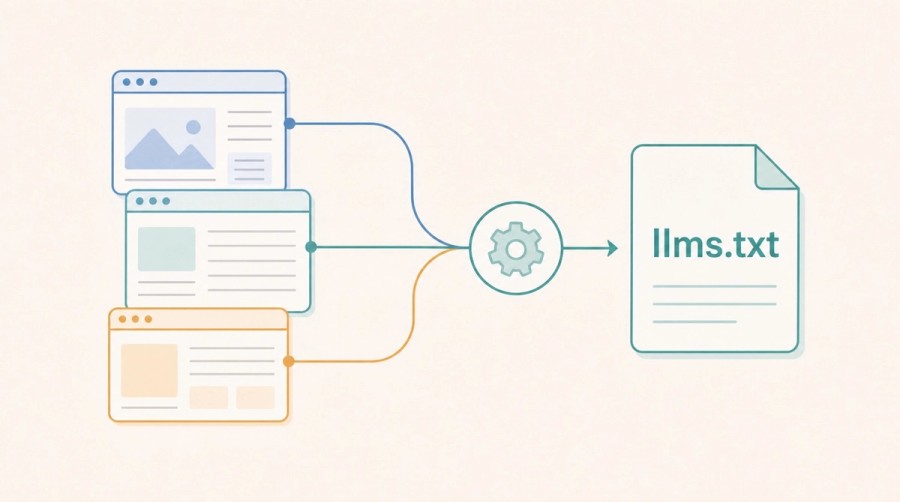
Rather than writing an llms.txt file by hand, GeoReady's free llms.txt generator builds one from your sitemap in a couple of minutes.
3. Manual prompt testing
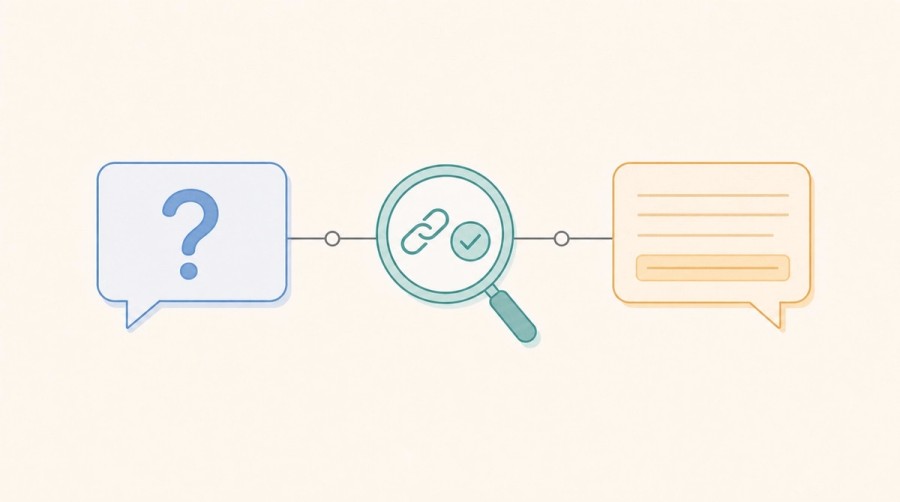
Ask ChatGPT, Perplexity, and Gemini directly about your product category and see if you're mentioned. It costs nothing but a few minutes, and it's the most direct signal you can get — just repeat it periodically, since answers shift over time.
4. Schema / structured data validators
Google's Rich Results Test and the Schema.org validator both check whether your JSON-LD markup is well-formed, free of charge, regardless of which AI engine eventually reads it.
Want a broader comparison?
This roundup covers free options specifically. For a broader comparison including paid platforms and ongoing monitoring tools, see our best GEO tools guide.
Further reading
Apply this guide
Run an AI SEO audit before you change pages.
Use the audit to find which signal is holding the site back: crawler access, schema, llms.txt, content clarity, AI discovery, or entity strength.
- Best for pages that need a technical and content baseline.
- Next metric: AI readiness score plus the weakest signal category.
Frequently asked questions
Do I need paid tools to check AI search visibility?
No. Crawler-access checks, llms.txt generation, manual prompt testing, and schema validation can all be done for free. Paid tools mainly add ongoing monitoring and historical tracking on top of the same underlying checks.
How often should I re-run these checks?
Monthly is a reasonable baseline, plus immediately after any site migration, CMS change, or robots.txt edit.
Get the monthly State of GEO report
AI search readiness benchmarks, adoption stats, and the actions that move the needle — delivered monthly. No spam.
By submitting, you agree to receive the monthly GeoReady newsletter: benchmark data from the State of GEO dataset, practical GEO guidance, and product updates. You can unsubscribe anytime. See our Privacy Policy.